
Understanding Water Filtration for Home Use
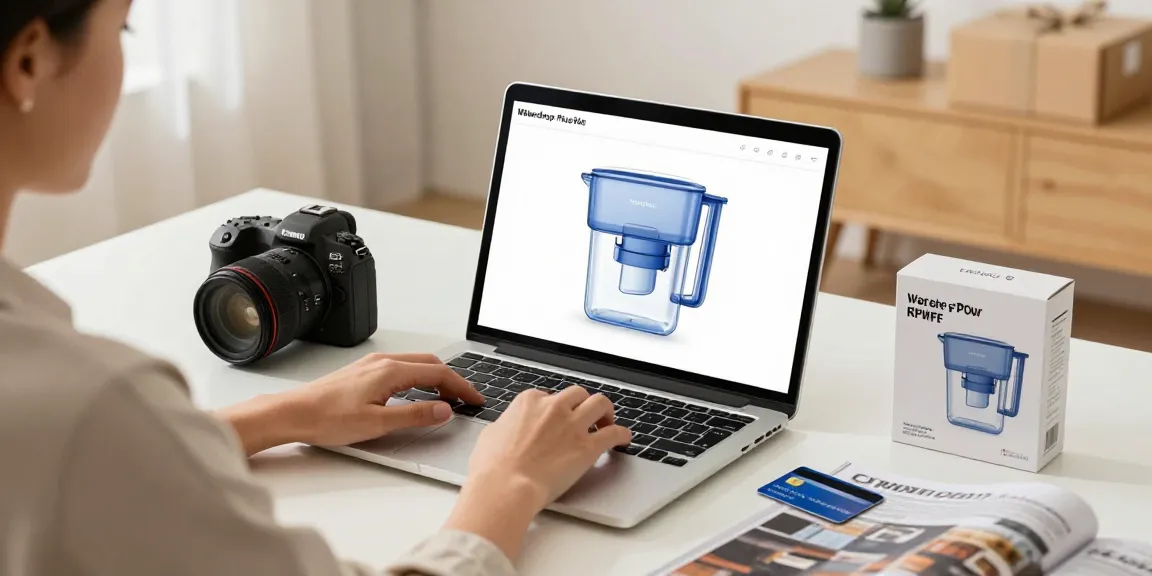
Water quality is an essential aspect of healthy living, yet many homeowners remain unaware of the pollutants that may be lurking in their tap water. Contaminants ranging from heavy metals to bacteria could compromise both taste and health. With increasing awareness of these concerns, many consumers are seeking effective solutions to ensure their drinking water is safe and pure. A prime choice that has gained traction in recent years is the Waterdrop Plus RPWF Refrigerator Water Filter, designed to not only enhance taste but also significantly reduce harmful substances found in water.
What Is the Waterdrop Plus RPWF Refrigerator Water Filter?
The Waterdrop Plus RPWF Refrigerator Water Filter is engineered to fit seamlessly into your refrigerator system, delivering clean, great-tasting water and ice on demand. This filter is compatible with select GE refrigerators and is recognized for its innovative filtration capabilities that meet rigorous safety and quality standards. Manufactured using lead-free materials, the Waterdrop Plus RPWF filter provides assurance not only in filtration but also in the safety of its components. It effectively reduces over 20 common contaminants, including chlorine, lead, and pesticides, ensuring that your family has access to pure water at all times.
How Water Filtration Works: The Science Behind Filtering
Understanding how water filtration works is vital for recognizing the benefits of using advanced filters like the Waterdrop Plus RPWF. The filtration process involves several stages, typically starting with a sediment filter that captures larger particles such as rust and dirt. Following this, activated carbon is employed to absorb organic compounds and chlorine, which contribute to unpleasant tastes and odors. In the case of the Waterdrop filter, additional technologies such as selective ion exchange work to filter out harmful heavy metals, delivering outstanding purity and taste. This multi-layer approach ensures that your drinking water is effectively purified.
Benefits of Using the Waterdrop Plus RPWF in Your Home
- Improved Taste and Odor: The activated carbon technology dramatically enhances the taste of water, making it more pleasant for drinking and cooking.
- Healthier Water: With the capability to reduce contaminants, you’re ensuring safer drinking water for you and your family.
- Cost-Effective: Utilizing a refrigerator filter like the Waterdrop Plus RPWF can save money compared to buying bottled water.
- Easy Installation: The filter is designed for simple installation, making it accessible for all homeowners.
Comparison of Top Refrigerator Water Filters in 2026
Waterdrop Plus RPWF vs. Competitor Filters: Key Differences
In the competitive landscape of water filters, the Waterdrop Plus RPWF stands out due to its superior filtration capabilities and certifications. Unlike many competitors, this filter boasts certifications from NSF and IAPMO, confirming its effectiveness in reducing a wide range of harmful contaminants. For instance, while some filters may only address chlorine and particulates, the Waterdrop Plus RPWF effectively reduces lead and other heavy metals, such as mercury and cadmium. Furthermore, the inclusion of advanced filtration technology allows it to outperform many conventional filters in both speed and quality.
Consumer Ratings and Reviews: What the Data Shows
Consumer feedback plays an essential role in evaluating the effectiveness of any product, and the Waterdrop Plus RPWF is no exception. With an impressive average rating of 4.7 out of 5 stars across multiple platforms, users have praised its easy installation and noticeable improvements in water taste. Many reviews highlight specific contaminants that other filters failed to address, which the Waterdrop filter successfully reduces. Such feedback is instrumental in building trust around product efficacy.
Cost-Effectiveness: Investing in Quality Filters
When considering water filtration options, it’s crucial to analyze both upfront costs and long-term investment value. The Waterdrop Plus RPWF offers a compelling cost-benefit ratio. Although its initial purchase price may be slightly higher than basic filters, the superior performance in contaminant reduction and the longevity of the filter make it a financially sound choice. Users can expect to change the filter approximately every six months, which is in line with standard practices, but the quality delivered in each cycle far outweighs the expense.
Installation and Maintenance of Your Water Filter
Step-by-Step Guide to Installing the Waterdrop Plus RPWF
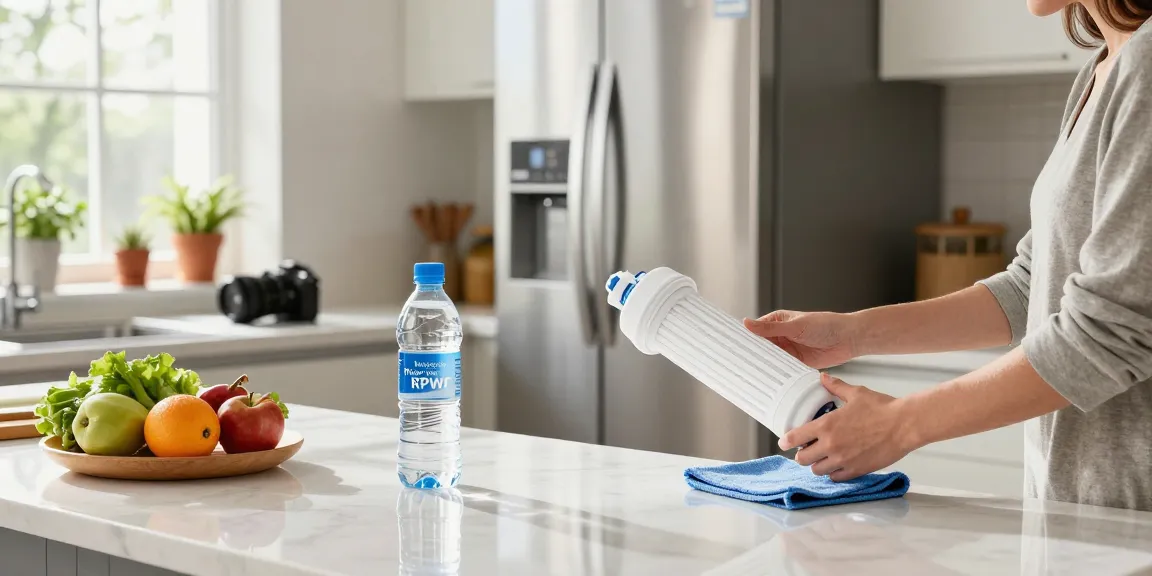
Installing the Waterdrop Plus RPWF Refrigerator Water Filter is a straightforward process that requires minimal tools and time. Follow these simple steps to ensure proper installation:
- Preparation: Gather your necessary tools, such as a towel and a screwdriver, to assist in the installation process.
- Remove the Old Filter: Locate the old filter in your refrigerator and carefully remove it according to the manufacturer’s instructions.
- Unpack the New Filter: Remove any packaging from the Waterdrop Plus RPWF filter and check for any protective caps.
- Install the New Filter: Align the new filter with its slot, ensuring a secure fit and turn it until it clicks into place.
- Flush the System: Allow water to flow for a few minutes to flush the system and remove any loose carbon dust.
- Check for Leaks: After installation, ensure there are no leaks at the filter and connections.
Maintenance Tips for Longevity and Performance
To maximize the performance of your Waterdrop Plus RPWF filter, regular maintenance is essential. Here are some practical tips:
- Regular Replacement: Change the filter every six months or when the indicator alert suggests.
- Clean the Refrigerator: Regularly clean areas where the filter is located to prevent bacterial growth.
- Monitor Water Quality: Conduct periodic checks of water quality to detect any issues early.
Common Installation Mistakes and How to Avoid Them
Even a simple installation can lead to issues if common mistakes are made. Here are some pitfalls to watch out for:
- Not Removing Air from the Filter: Ensure to expel air by running water through the filter for a few minutes after installation.
- Improper Alignment: Make sure that the filter is properly aligned with the tabs to avoid leaks or malfunctions.
- Ignoring Flush Instructions: Always flush the system as directed, as this enhances the performance of the new filter.
Real-World Impacts of Using Waterdrop Filters
Case Studies: Homes that Benefit from Cleaner Water
Numerous case studies showcase the significant improvements in household water quality following the installation of the Waterdrop Plus RPWF. One notable example involved a family of four residing in an urban area with high lead contamination levels. After installing the filter, they reported a marked decrease in health-related concerns, attributed to the removal of harmful substances. This case illustrates the tangible benefits that can result from effective water filtration solutions.
Health Improvements Linked to Filtered Water Use
Filtered water can lead to various health benefits, such as improved hydration levels and the reduction of gastrointestinal disorders. Consistent consumption of clean water aids in digestion, promotes clearer skin, and enhances energy levels. Families using the Waterdrop Plus RPWF reported noticeable health improvements, including fewer instances of illness and better overall well-being due to increased hydration and reduction of contaminants.
Community Feedback: Experiences from Everyday Users
Community feedback highlights the essential role of the Waterdrop Plus RPWF in enhancing household water safety. Many users have shared their experiences on social media platforms, praising the filter for its ease of use and effectiveness. Comments often mention the filter’s ability to sustain a clean water supply without the need for expensive bottled water, thus promoting cost savings and environmental sustainability.
Future Trends in Home Water Filtration Systems
Innovations in Water Filtration Technology by 2026
As we look to the future, innovations in water filtration technology are expected to revolutionize how consumers approach water safety. Emerging technologies, such as smart filtration systems equipped with IoT capabilities, will allow users to monitor water quality in real-time, ensuring proactive maintenance and timely replacement of filters. The Waterdrop brand is already at the forefront of these innovations, promising even smarter solutions in the coming years.
Predicted Changes in Consumer Preferences
Consumer preferences are likely to shift towards more sustainable and efficient water filtration systems. Increased awareness of environmental issues and health implications surrounding water impurities will drive demand for products like the Waterdrop Plus RPWF, which combines effectiveness with eco-friendliness. As consumers seek more transparent and accountable brands, filters with verification of contaminant reduction will rise to the forefront.
Environmental Impact and Sustainability Considerations
Home water filtration systems like the Waterdrop Plus RPWF play a vital role in reducing plastic waste associated with bottled water. By promoting the use of reusable containers and eliminating the need for single-use plastics, these filters contribute positively to environmental sustainability. The eco-conscious consumer has a growing responsibility to choose filtration systems that minimize their environmental footprint while maximizing water quality.
How Often Should You Replace Your Water Filter?
Replacing your water filter is crucial for maintaining optimal performance. For the Waterdrop Plus RPWF, replacement is recommended every six months, or sooner if flow rates decrease noticeably. Always follow the manufacturer’s guidelines for specific recommendations and indicators, as conditions such as water quality and usage frequency can influence the lifespan of the filter.
What Are the Signs You Need a New Filter?
There are several signs that indicate it’s time to replace your water filter:
- Decreased Water Flow: If you notice that water is flowing more slowly than usual, it may indicate that the filter is clogged.
- Unpleasant Taste or Odor: A return of unpleasant flavors or smells in your water may signal a need for replacement.
- Indicator Lights: Many modern filters come equipped with indicator lights that signal when replacements are due.
Can Filters Help Reduce Plastic Waste?
Yes, using filters like the Waterdrop Plus RPWF significantly reduces reliance on bottled water, contributing to a substantial decrease in plastic waste. By switching to a filter system, users can enjoy high-quality water at home without the environmental impact of single-use plastic bottles.