
Understanding Personalized Vision Correction Options
As vision correction technologies advance, individuals seeking solutions for their eyesight increasingly turn to personalized methods that cater to their specific needs. At the SNU Eye Clinic, we prioritize your eye health while offering a variety of personalized treatment options. By understanding what vision correction entails and the procedures available, patients can make informed decisions that enhance their quality of life. When exploring options, read read open to discover more about our commitment to exceptional eye care.
What is Vision Correction?
Vision correction refers to a range of surgical and non-surgical procedures that enhance an individual’s eyesight. Traditionally, this has involved the use of glasses and contact lenses. However, surgical advancements have paved the way for more permanent solutions. These treatments aim to reshape the eye’s surface or address internal eye issues, such as refractive errors, to achieve optimal vision.
Types of Procedures Offered
- LASIK: This popular laser surgery reshapes the cornea to improve focus, often resulting in immediate visual improvement.
- PRK (Photorefractive Keratectomy): Similar to LASIK, PRK involves removing the outer layer of the cornea to reshape it beneath, suitable for patients with thinner corneas.
- ICL (Implantable Collamer Lens): A lens is implanted inside the eye, providing a high degree of correction for those who are not candidates for laser procedures.
- Toric ICL: Specifically designed for patients with astigmatism, this lens combines the benefits of ICL with astigmatic correction.
Criteria for Choosing the Right Treatment
Selecting the appropriate vision correction technique depends on various factors, including the degree of refractive error, overall eye health, lifestyle, and personal preferences. An in-depth eye examination is crucial to determine the best fit. At SNU Eye Clinic, our specialists consider these elements comprehensively to recommend tailored solutions.
Key Benefits of Advanced Eye Surgery
Advanced eye surgeries offer numerous advantages that enhance patient outcomes. Not only do traditional methods have their merits, but the precision and safety of contemporary surgical techniques have transformed how eye care is approached. Here are some key benefits:
Enhanced Precision and Safety in Surgeries
Modern eye surgeries utilize sophisticated technology, such as femtosecond lasers, which allow for highly accurate incisions and corrections. This enhanced precision significantly reduces the risks associated with surgery and improves recovery times. The use of advanced imaging and mapping technologies ensures that each patient’s unique eye structure is taken into account, leading to personalized treatment approaches.
Long-term Outcomes for Patients
The success rates of advanced eye surgeries are exceptionally high, with many patients achieving 20/25 vision or better. Furthermore, as surgical techniques continue to evolve, advancements in post-operative care and technology contribute to more consistent long-term results. Many patients report that their quality of life has dramatically improved, enabling them to engage in activities that were previously hindered by poor vision.
Patient Testimonials and Case Studies
Hearing from patients who have undergone these procedures can provide valuable insights. Many have shared transformative experiences, highlighting their newfound ability to engage in hobbies, sports, and daily activities without the burden of corrective eyewear. These testimonials are a testament to the life-changing capabilities of advanced eye surgeries performed at the SNU Eye Clinic.
The Importance of Comprehensive Eye Testing
Before undergoing any treatment, comprehensive eye testing is essential. This process not only identifies the degree of vision impairment but also assesses the overall health of the eyes to ensure of the most effective treatment plan.
Overview of the 52 Detailed Tests
At the SNU Eye Clinic, we offer an extensive program comprising 52 detailed tests across seven categories, designed to evaluate every aspect of your eye health. These tests help us gather crucial data that informs our treatment plans and allows for precision in diagnosing potential issues.
How Tests Inform Treatment Plans
The results from these comprehensive tests are pivotal in tailoring vision correction solutions. By understanding individual eye conditions, our specialists can recommend procedures that align with specific needs and desired outcomes, ensuring the highest chance of success.
Patient Preparation for Eye Assessments
To achieve accurate results, proper preparation is necessary prior to testing. Patients may be asked to refrain from wearing contact lenses for a period, avoid certain medications, and come with a list of health concerns. Our team provides thorough guidance on how to prepare effectively for each assessment.
Trends Shaping Eye Care in 2026 and Beyond
The field of eye care continuously evolves, driven by technological advancements and shifting patient needs. As we move towards 2026, several trends are likely to shape the future of eye care.
Innovations in Eye Surgery Technology
Emerging technologies, such as artificial intelligence-based diagnostic tools and enhanced laser systems, are set to revolutionize eye surgeries. These innovations allow for quicker, more accurate assessments and improved surgical outcomes.
Future of Personalized Eye Health Solutions
Personalization in eye care is becoming increasingly prevalent. Genetic testing and advanced imaging modalities enable tailored treatment plans that are uniquely suitable to each individual’s visual needs and health status.
Emerging Research in Vision Science
Researchers are continuously exploring new ways to address common vision problems. Ongoing studies focus on conditions such as myopia control and advanced treatment options for presbyopia, promising to improve solutions for eye care in the coming years.
Frequently Asked Questions about Eye Care
What makes SNU Eye Clinic different?
At SNU Eye Clinic, our commitment to individualized care, coupled with advanced technology and experienced professionals, sets us apart from other facilities. We prioritize patient education and ensure that each individual receives comprehensive attention tailored to their unique needs.
How can I schedule a consultation?
Scheduling a consultation is easy. Prospective patients can contact our clinic directly via our website or phone to set up an appointment. Our friendly staff will guide you through the process and answer any questions you might have.
What are ICL and Toric ICL surgeries?
ICL stands for Implantable Collamer Lens, a procedure that involves placing a lens inside the eye to provide clear vision. Toric ICL specifically addresses astigmatism, offering a comprehensive solution for patients with complex vision needs.
What to expect during an eye examination?
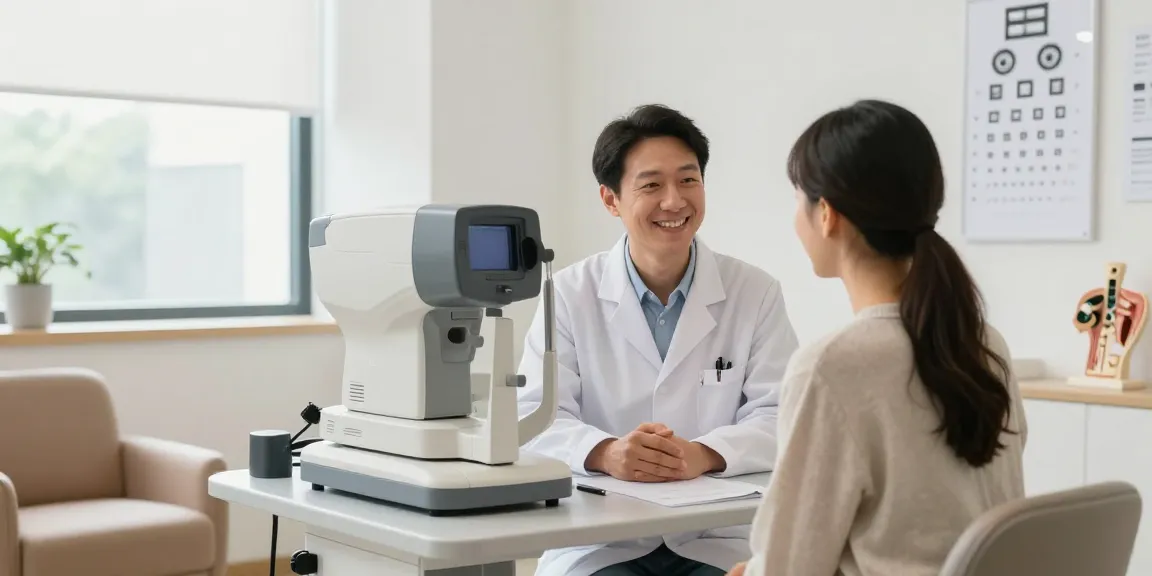
During an eye examination at our clinic, patients can expect a thorough assessment including visual acuity tests, pupil response tests, and imaging to evaluate the health of the eye. This comprehensive process helps us identify potential issues and determine the best treatment options.
Are there financing options for surgeries?
Recognizing that eye surgery can be a significant investment, we offer various financing options to accommodate different budgets. Our team is available to discuss flexible plans that can help make treatments accessible for all patients.