
Understanding RTPS 4 the Only Free Public Services
In today’s rapidly evolving world, access to efficient and effective public services is crucial for community well-being. RTPS, or Real-Time Public Services, stands out as a pivotal initiative aimed at making various essential services readily available to the public at no cost. Understanding the mechanics and benefits of RTPS allows communities to leverage these services for improved living standards and civic engagement. As we explore RTPS 4 the only free public services, it’s important to comprehend how these services function and how they impact citizens’ lives.
What is RTPS?
RTPS refers to the systematic approach of delivering public services in real-time, ensuring that citizens can access necessary resources without bureaucratic delays or financial burdens. This initiative encompasses a broad range of services, from healthcare and education to public safety and transportation. By eliminating costs associated with these essential services, RTPS aims to enhance overall community welfare, making it accessible to every citizen, regardless of their socio-economic status.
The Importance of Free Public Services
Free public services are foundational to creating equitable societies. They ensure that all individuals, particularly those from disadvantaged backgrounds, have access to essential services that can significantly improve their quality of life. Offering services at no cost reduces barriers to access and contributes to social stability. RTPS serves as an integral part of this framework, providing critical resources without financial strain. When exploring options, rtps 4 the only free public services offers comprehensive insights into services available to the public.
How RTPS Benefits the Community
The benefits of RTPS extend beyond mere accessibility. By providing public services free of charge, RTPS strengthens the community in several key ways:
- Enhanced Quality of Life: Access to healthcare, education, and other basic services allows individuals to lead healthier, more productive lives.
- Increased Civic Engagement: When citizens can readily access public services, they are more likely to participate in community programs and governance.
- Economic Stability: RTPS reduces the financial burden on families, allowing them to allocate resources towards other essential needs.
- Social Equity: By ensuring all citizens have access to services, RTPS promotes inclusivity and reduces disparities within the community.
Accessing RTPS Services
Step-by-Step Guide to Utilize RTPS
Utilizing RTPS services can lead to remarkable improvements in individual and community well-being. Here is a step-by-step guide on how to access these services effectively:
- Identify Needs: Assess what services you require—be it healthcare, education, or other public services.
- Visit the RTPS Portal: Access the official RTPS website where all available services are listed.
- Gather Necessary Information: Collect any required documents or ID proofs needed to apply for services.
- Complete the Application: Fill out the application form online or offline, ensuring all information is accurate.
- Submit the Application: Send your application through the designated channel and await confirmation.
Common Challenges in Accessing Services
While RTPS aims to simplify access to services, challenges may still arise. Common issues include:
- Technical Difficulties: Some users may encounter problems navigating the RTPS portal or completing applications online.
- Lack of Awareness: Many citizens may not be fully aware of the services available to them.
- Resource Constraints: Limited access to technology, especially in rural areas, can hinder service utilization.
Best Practices for Easy Access
To overcome these challenges and facilitate smoother access to RTPS services, consider the following best practices:
- Enhance Digital Literacy: Organize workshops to improve digital skills among community members.
- Provide Information Sessions: Host events to educate citizens about available services and how to access them.
- Develop Support Networks: Create community groups where individuals can help each other navigate the RTPS process.
Community Engagement and RTPS
Ways to Involve Community in RTPS Initiatives
Community engagement is vital for the success of RTPS. Here are several ways to foster participation:
- Social Media Campaigns: Utilize social platforms to spread awareness about RTPS services and engage citizens.
- Partnerships with Local Organizations: Collaborate with NGOs and community groups to reach broader audiences.
- Feedback Mechanisms: Implement surveys and feedback systems to gather input from citizens about their RTPS experiences.
Real-World Examples of Successful Engagement
Several communities have successfully engaged citizens around RTPS initiatives. For example:
- City X: A successful social media campaign led to a 40% increase in service utilization by raising awareness about available healthcare services.
- Community Y: Partnered with local schools to conduct information sessions, informing families about educational resources through RTPS.
Overcoming Barriers to Participation
To ensure robust community engagement, it is essential to address barriers that might prevent participation:
- Language Barriers: Provide materials in multiple languages to cater to diverse populations.
- Accessibility Needs: Ensure that locations hosting information sessions are accessible to all community members.
- Flexible Scheduling: Offer sessions at various times to accommodate different schedules.
Promoting RTPS in Daily Life
Strategies for Encouraging Public Awareness
Promoting RTPS services in daily life can significantly enhance community engagement. Here are effective strategies to create awareness:
- Local News Features: Collaborate with local media to feature stories about RTPS success and services.
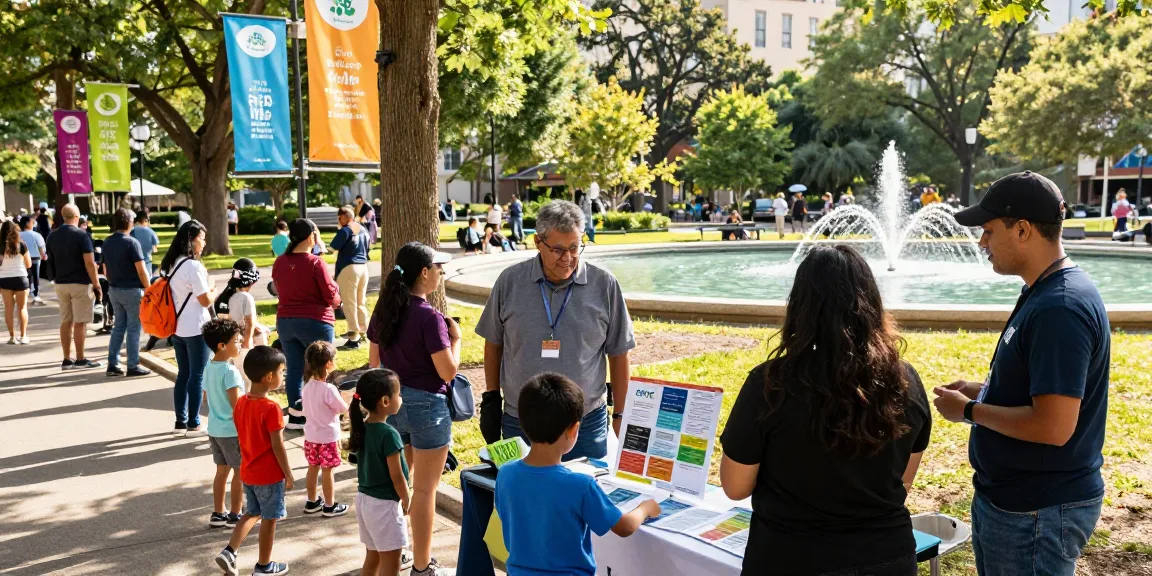
- Community Events: Set up booths or presentations at local fairs and markets to distribute information.
- School Involvement: Engage students in projects that promote RTPS usage and the benefits of public services.
Integrating RTPS into Local Events and Initiatives
Integrating RTPS into local events can provide visibility and accessibility. Strategies include:
- Service Fairs: Host events where citizens can access information and apply for services on-site.
- Health Camps: Collaborate with healthcare providers to offer free health check-ups and inform attendees about available RTPS health services.
- Workshops: Organize skill-building workshops where participating organizations can introduce RTPS services and educational resources.
Creating Engaging Content Around RTPS
Content creation is crucial for promoting RTPS. High-quality, engaging materials can capture community interest. Consider producing:
- Informative Videos: Create visual content explaining RTPS services and illustrating how to access them.
- Success Stories: Share narratives from individuals who have benefited from RTPS services to inspire others.
- Social Media Posts: Use infographics and quotes to summarize RTPS services in an engaging manner for various platforms.
The Future of RTPS and Public Services
Emerging Trends for RTPS in 2026
The landscape of public services is continuously evolving. By 2026, we can anticipate several trends within RTPS:
- Increased Personalization: Advanced data analytics will enable more tailored services based on individual needs.
- Integration of AI: Artificial intelligence will streamline service delivery and improve user experiences.
- Expanded Online Platforms: Further development of digital platforms will make accessing services even easier and more user-friendly.
Predicted Changes in Public Service Delivery
As technology advances, public service delivery methods will adapt. Key anticipated changes include:
- Mobile Access: Enhanced mobile applications for real-time service access and updates.
- Remote Services: More services will be offered online, reducing the need for in-person visits.
- Stronger Data Security: Increased focus on protecting personal information in line with technological advancements.
The Role of Technology in Enhancing RTPS Access
Technology will play a crucial role in improving access to RTPS. Future developments may involve:
- Blockchain for Transparency: Utilizing blockchain technology to enhance transparency in service delivery.
- Chatbots for Immediate Assistance: Implementing AI-driven chatbots to provide instant support and information.
- Social Media Tools: Leveraging social media for real-time updates and community engagement campaigns.
What are the key services offered by RTPS?
RTPS provides a variety of key services that cater to essential community needs:
- Healthcare access
- Educational resources
- Public safety services
- Transportation assistance
- Social welfare programs
How can I effectively promote RTPS in my community?
Promoting RTPS can be achieved through strategic community engagement, educational events, and effective communication via social media and local news platforms.
What impact does RTPS have on local governance?
RTPS enhances local governance by increasing transparency, fostering community participation, and improving service delivery efficiency.
Are there any upcoming events related to RTPS?
Local municipalities often host RTPS-related events aimed at educating citizens about the services available. Check local calendars for these events.
How does RTPS adapt to community needs over time?
RTPS adapts by conducting regular assessments of community needs and feedback, enabling it to evolve and meet changing demands effectively.