
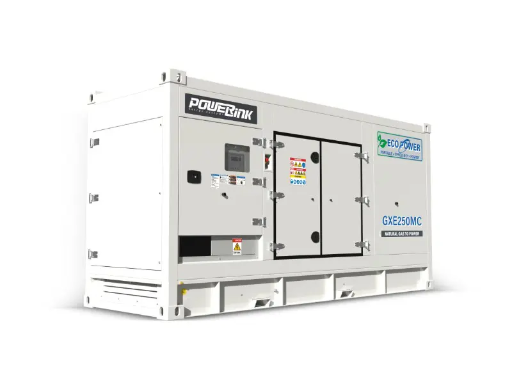
As the world focuses on cleaner energy solutions, industries and businesses are searching for power generation methods that provide reliability while reducing environmental impact. Traditional energy sources often create challenges related to emissions, fuel consumption, and resource efficiency. Natural gas power generation has become an important solution by offering a balance between dependable electricity production and improved environmental performance.
With advancements in modern energy technology, natural gas CHP systems are helping organizations reduce waste, improve efficiency, and support sustainable power strategies. These solutions are becoming increasingly valuable for industries looking to meet both operational and environmental goals.
Understanding Natural Gas Power Generation
Natural gas power generation is the process of converting natural gas into electricity through advanced engine and generator systems. The fuel is burned in a controlled process to produce mechanical energy, which is then converted into electrical power.
Compared with some traditional fossil fuels, natural gas offers cleaner combustion and improved efficiency. This makes it a practical option for businesses that require reliable energy while working toward sustainability objectives.
Why Natural Gas Is Considered a Cleaner Energy Source
Environmental concerns have encouraged industries to adopt energy solutions that reduce emissions and improve resource usage. Natural gas supports these efforts through efficient fuel utilization and advanced power generation technology.
Key environmental advantages include:
- Lower emissions
- Reduced fuel waste
- Improved energy efficiency
- Better resource management
- Support for sustainable energy goals
These benefits make natural gas an important part of the transition toward cleaner power systems.
Environmental Benefits of Natural Gas Power Generation
Reduced Carbon Emissions
One of the major environmental benefits of natural gas power generation is the reduction of carbon emissions compared to many conventional fuels.
Modern systems are designed to burn fuel efficiently, producing electricity with improved combustion processes. This helps organizations reduce their overall environmental footprint while maintaining dependable energy supply.
Improved Energy Efficiency Through CHP Systems
Combined Heat and Power (CHP) technology improves the way energy is used by producing electricity and useful heat from the same fuel source.
A natural gas CHP system captures heat that would normally be wasted during electricity generation. This recovered heat can be used for heating processes, hot water, or other facility requirements.
By maximizing fuel utilization, CHP systems help reduce energy waste and improve overall efficiency.
Better Waste-to-Energy Opportunities
Renewable gas solutions are also contributing to cleaner energy production. Organic materials can be converted into usable fuel through advanced processes, allowing businesses to generate energy from available resources.
A biogas genset is an example of technology that converts biogas into electricity. These systems support renewable energy projects by transforming waste materials into valuable power resources.
Reduced Dependence on Traditional Fuels
Natural gas-based power solutions can help reduce reliance on more carbon-intensive energy sources. By adopting efficient gas technologies, businesses can improve their energy management while moving toward cleaner operations.
This transition supports long-term sustainability plans and encourages more responsible energy consumption.
Applications of Natural Gas Power Systems
Natural gas power generation is used across various sectors where reliable electricity is required, including:
- Manufacturing facilities
- Healthcare centers
- Commercial buildings
- Data centers
- Food processing industries
- Industrial plants
- Renewable energy projects
These applications benefit from stable power output and improved energy efficiency.
The Role of Modern Gas Technologies
Advancements in gas engine technology have improved the performance and environmental benefits of natural gas systems. Modern equipment includes advanced controls, efficient combustion designs, and monitoring solutions that help optimize operation.
These improvements allow businesses to achieve better energy performance while reducing unnecessary resource consumption.
Choosing Sustainable Power Solutions
Selecting the right energy solution depends on several factors, including facility requirements, energy demand, fuel availability, and sustainability goals.
Businesses should evaluate system efficiency, operational needs, and long-term benefits before investing in power generation technology. Solutions such as natural gas CHP and renewable gas systems can provide reliable energy while supporting environmental objectives.
The Future of Natural Gas Power Generation
As energy needs continue to grow, natural gas will remain an important part of the evolving power landscape. Its combination of reliability, efficiency, and improved environmental performance makes it suitable for modern energy strategies.
Future developments in cleaner fuels, advanced engines, and renewable integration will continue improving the role of gas-based power generation.
Conclusion
Natural gas power generation provides an effective way to produce reliable electricity while supporting environmental responsibility. Through improved efficiency, reduced emissions, and innovative technologies such as natural gas CHP and biogas genset systems, businesses can achieve better energy performance.
As industries continue moving toward sustainable solutions, natural gas-based power systems will remain a valuable option for cleaner and more efficient energy generation.