Understanding CNC Glass Cutting Machines
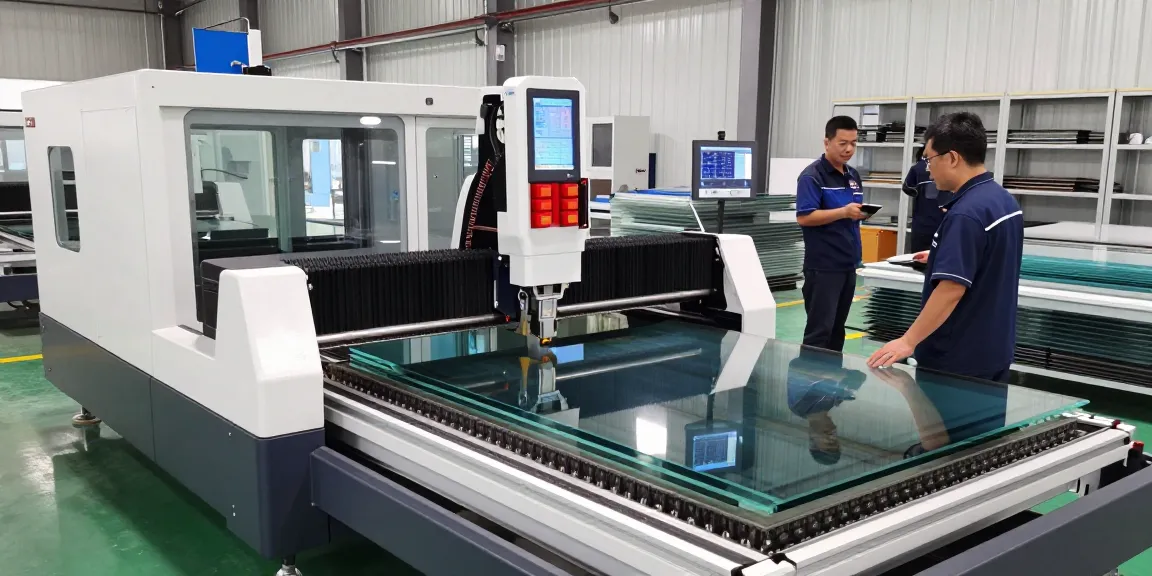
CNC glass cutting machines have transformed the glass processing industry, providing manufacturers with unprecedented precision and efficiency. As the demand for customized glass products increases, the need for reliable and advanced cutting technology becomes paramount. By integrating computer numerical control (CNC) technology, these machines offer a range of capabilities, from intricate designs to large-scale production runs, making them an invaluable asset in glass manufacturing.
When exploring options, cnc glass cutting machine solutions at Zhengke incorporate cutting-edge technology tailored for high-performance glass processing. With various models designed to meet specific operational demands, businesses can select systems that align perfectly with their production goals.
What is a CNC Glass Cutting Machine?
A CNC glass cutting machine is a specialized device used to cut glass with high precision using computer-controlled processes. These machines utilize automated tooling to score and cut glass sheets into various shapes and sizes, ensuring high levels of accuracy and minimal waste. By relying on digital designs and instructions, CNC technology eliminates the inconsistencies associated with manual cutting, enhancing overall productivity.
How CNC Technology Revolutionizes Glass Processing
The advent of CNC technology has brought a wave of innovation in glass processing. With its ability to perform complex cuts and angles that are impractical with traditional methods, CNC glass cutting has redefined manufacturing capabilities. Key advantages include:
- Enhanced Precision: CNC machines can achieve tolerances as tight as ±0.1 mm, ensuring consistent quality across production runs.
- Increased Efficiency: Automated systems can operate continuously, drastically reducing setup and processing times.
- Reduced Waste: Precise cutting minimizes scrap material, contributing to lower operational costs.
Key Features of Modern CNC Glass Cutting Machines
Modern CNC glass cutting machines come equipped with a variety of features designed to enhance their functionality and efficiency. Notable features include:
- Automatic Loading Systems: Many models include integrated loading tables that facilitate quick and efficient glass handling.
- Versatile Cutting Capabilities: Machines can handle different types of glass (e.g., tempered, laminated, and low-E glass) and perform various cutting techniques.
- Real-Time Monitoring: Advanced software allows operators to track performance metrics and adjust parameters for optimal output.
Benefits of Using CNC Glass Cutting Machines
Improved Precision and Efficiency
The primary advantage of CNC glass cutting machines is their ability to deliver superior precision and efficiency compared to manual methods. The automation involved in CNC operations minimizes human error, resulting in higher-quality finished products. With features such as automatic adjustments for tool wear, manufacturers can maintain consistent quality throughout long production runs.
Cost Savings for Glass Manufacturers
Implementing CNC glass cutting technology leads to significant cost savings in the long run. By reducing material waste and labor costs associated with manual cutting, businesses can enhance their profit margins. Furthermore, the efficiency of CNC machines often allows for faster turnaround times, enabling manufacturers to fulfill orders more quickly and meet customer demands.
Streamlining Production Processes
CNC glass cutting machines integrate easily into existing production workflows, allowing manufacturers to streamline processes without major overhauls. They can be linked with other automated systems, such as glass washing or edging machines, creating a cohesive manufacturing line. This integration enhances operational efficiency and fosters an agile production environment.
Choosing the Right CNC Glass Cutting Machine
Key Considerations Before Purchase
When selecting a CNC glass cutting machine, manufacturers should consider several key factors:
- Production Volume: Assessing the anticipated production volume can help determine the necessary machine capacity and specifications.
- Glass Types: Evaluate the types of glass that will be processed to ensure the machine can handle specific material characteristics.
- Software Compatibility: Ensure that the CNC machine's software is compatible with existing design systems for seamless integration.
Comparing Different Models and Brands
When comparing CNC glass cutting machines, it's important to evaluate various aspects such as build quality, supplier reputation, and after-sales support. Manufacturers should look for reputable brands with a history of reliability and customer service. Additionally, reviewing user feedback and case studies can provide insights into real-world performance and user satisfaction.
Assessing Long-Term Value and Support
Investing in CNC technology is a long-term commitment, so it's crucial to consider the machine's durability and the level of customer support provided by the manufacturer. Look for warranties, service agreements, and availability of spare parts to ensure that the investment remains viable for years to come.
Common Challenges in CNC Glass Cutting
Overcoming Technical Issues and Downtime
Despite their advantages, CNC glass cutting machines may encounter technical issues that lead to downtime. Identifying common problems such as software glitches, mechanical failures, or improper maintenance can help operators develop effective troubleshooting protocols. Regular inspections and preventive maintenance schedules can also mitigate the risk of unexpected breakdowns.
Integrating CNC Machines with Existing Systems
Integrating new CNC machines into established workflows can pose challenges, particularly regarding compatibility with existing technology. Businesses must evaluate their current systems and make necessary adjustments to ensure seamless operation. This may involve upgrading software, training staff, or even retrofitting existing machines to communicate effectively with new equipment.
Training Staff for Optimal Use
Proper training is essential for maximizing the benefits of CNC glass cutting machines. Operators must become proficient in using both the hardware and software components to ensure safe and efficient operation. Regular training sessions and updates on technological advancements can promote continuous improvement and adaptation within a manufacturing team.
Future Trends in CNC Glass Cutting Technology
Innovative Developments to Watch for in 2026
The future of CNC glass cutting technology is poised for further innovation, particularly in areas such as automation and smart manufacturing. Emerging trends to watch include:
- Increased Automation: More manufacturers are expected to adopt fully automated systems that integrate entire production lines, streamlining operations from cutting to finishing.
- Data-Driven Insights: Advanced analytics and machine learning will enable smarter decision-making through real-time data collection and performance analysis.
- Customization Options: As consumer demands shift towards personalized products, CNC machines will increasingly incorporate features that allow for customized cutting configurations.
The Role of Automation and AI
Artificial intelligence and machine learning are set to play significant roles in the future of CNC glass cutting. Intelligent systems will analyze production data to optimize cutting paths, predict maintenance needs, and reduce costs. This advancement will enhance not only production efficiency but also the quality of the final product.
Environmental Considerations in Glass Processing
As sustainability becomes a focal point across all industries, the glass processing sector will need to adapt by embracing eco-friendly practices. CNC technology can contribute to this effort by minimizing material waste and using energy-efficient processes. Manufacturers that prioritize environmental responsibility will attract a growing segment of environmentally conscious consumers.
What is the cost of a CNC glass cutting machine?
The cost of a CNC glass cutting machine varies significantly based on its features, capabilities, and brand. Generally, prices can range from several thousand to tens of thousands of dollars. Factors influencing the price include the machine's cutting capacity, automation level, and additional features like software and tooling. Prospective buyers should conduct thorough market research to find options that fit their budget while meeting their production needs.
How to maintain your CNC glass cutting machine?
Regular maintenance is crucial for ensuring the longevity and performance of CNC glass cutting machines. Recommended maintenance practices include:
- Regularly cleaning components to prevent buildup of dust and debris.
- Checking and calibrating cutting tools to maintain precision.
- Updating software to enhance functionality and security.
- Conducting routine inspections of mechanical parts to identify wear and tear.
What materials can CNC glass cutting machines handle?
CNC glass cutting machines are versatile and can handle a wide range of materials, including but not limited to:
- Float glass
- Laminated glass
- Tempered glass
- Low-E glass
- Colored and patterned glass
This versatility enables manufacturers to cater to diverse markets and applications, from construction to automotive industries.
Can CNC glass cutting machines be customized?
Many CNC glass cutting machines offer customization options to meet specific production requirements. Customization can include modifications to cutting speeds, tooling configurations, and software integrations that align with the unique operational needs of a manufacturer. Collaborating with suppliers like Zhengke ensures that businesses receive tailored solutions for their production lines.
Where to find reliable CNC glass cutting machine suppliers?
Finding reputable CNC glass cutting machine suppliers involves conducting thorough research, seeking recommendations, and evaluating supplier credentials. It's advisable to look for manufacturers with a strong track record, comprehensive customer support, and a commitment to quality. Trade shows, online directories, and industry forums can also serve as valuable resources for identifying reliable suppliers.