The Evolution of Smart Locks: A 2026 Perspective
The realm of home security has seen a seismic shift in recent years, notably with the rise of smart locks. As we approach 2026, these devices have transitioned from mere convenience features to essential components of modern households. No longer bound by traditional keys and locks, homeowners are now embracing advanced technological solutions that enhance both security and accessibility. As you explore the world of smart locks, you can find a wealth of options and information, with products like قفل هوشمند leading the charge in this innovative space.
What is a Smart Lock?
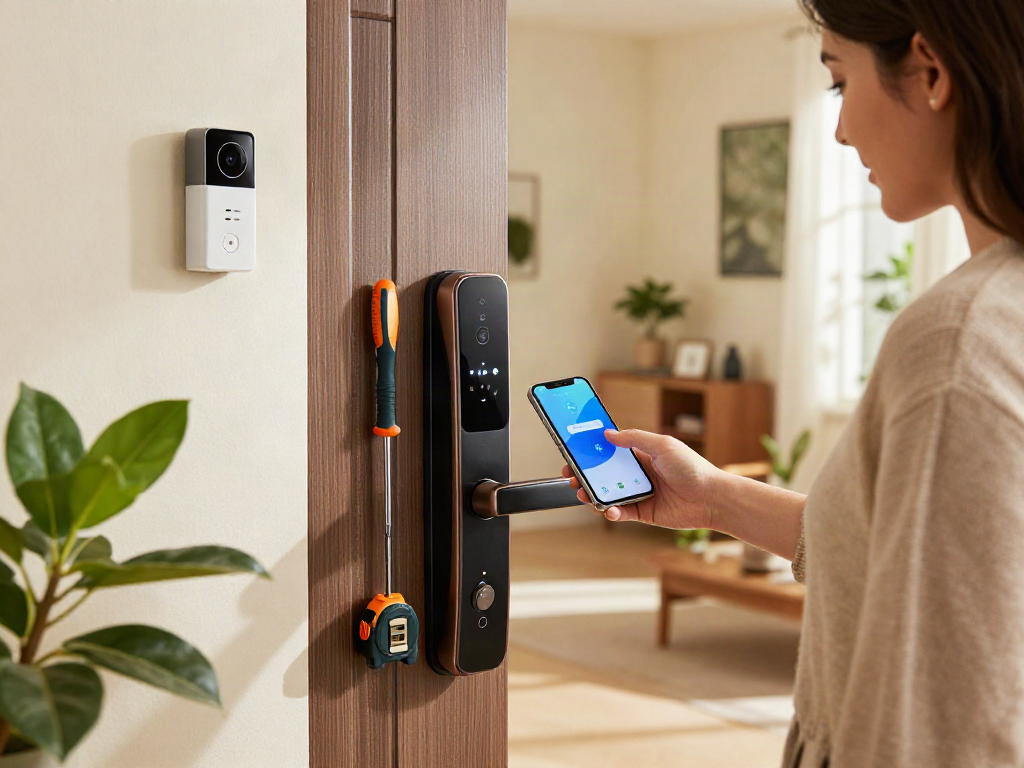
At its core, a smart lock is a keyless entry system that enables users to control access to their homes through electronic means. This can include smartphone apps, keypad entries, or biometric sensors. Unlike traditional locks, which rely on physical keys, smart locks utilize a combination of these technologies to provide a more flexible and secure locking solution.
Smart locks often feature remote access capabilities, allowing homeowners to lock or unlock their doors from anywhere in the world. This digital connectivity is a game-changer for numerous reasons, including the convenience of granting access to guests or service personnel without needing to be physically present.
Historical Milestones in Smart Lock Development
The journey of smart locks began in earnest in the early 2000s, with the advent of Bluetooth technology. The first generation of smart locks primarily focused on remote locking and unlocking via smartphone applications, but the technology has evolved significantly since then. By 2016, we saw the introduction of keyless entry systems that integrated home automation, allowing users to sync their locks with home security systems, smart lighting, and even voice assistants.
Today, leading manufacturers continue to integrate advanced features such as geofencing, which automatically locks or unlocks the door based on the homeowner's location, and customizable access permissions for family and friends. As we look to 2026, the evolution of smart locks is set to continue, focusing on enhanced security measures and improved user experiences.
Emerging Trends in Smart Lock Technology
As technology advances, so do the capabilities of smart locks. We are witnessing trends such as increased AI integration for predictive analysis, which can help identify potential security threats before they occur. Additionally, many smart locks are becoming more energy-efficient, incorporating solar charging options and longer battery life.
Another emerging trend is the focus on interoperability, allowing smart locks to work seamlessly with various smart home systems. This trend correlates with the rise of smart homes, where interconnected devices create a cohesive ecosystem that enhances convenience and security significantly.
Benefits of Installing a Smart Lock
Enhanced Security Features for Peace of Mind
One of the primary reasons homeowners are making the switch to smart locks is the enhanced security features they offer. Many smart locks come equipped with advanced encryption protocols, making them significantly more difficult to bypass than traditional locks. Additionally, features like tamper alerts, automatic locking, and secure guest access generate a fortress-like security experience.
Convenience and Accessibility for Homeowners
The convenience offered by smart locks cannot be overstated. Forgetting keys is a common problem, but with smart locks, keys are a thing of the past. Homeowners can easily grant remote access to visitors, manage codes for family members, or even set temporary access codes for service personnel.
Integration with Smart Home Systems
Smart locks can be integrated into broader smart home systems, allowing for automated routines. For example, when you arrive home, your smart lock can communicate with your smart lighting to illuminate the path to your door. This not only adds convenience but also enhances your overall home security.
Choosing the Right Smart Lock for Your Home
Key Considerations for Smart Lock Selection
Selecting the right smart lock involves several considerations. First, you should assess your security needs based on your home's layout and neighborhood. Look for smart locks that offer features such as dual authentication, which requires more than just a password to gain access.
Battery life is another crucial factor. Opt for locks with energy-efficient designs or those that offer low-battery alerts. Additionally, consider the lock's compatibility with your existing smart home devices to ensure seamless integration.
Popular Brands and Models to Watch in 2026
As we approach 2026, several brands are emerging as leaders in the smart lock market. Companies like August, Schlage, and Yale offer a range of models that cater to various needs and budgets. Their locks often come with innovative features, robust security measures, and user-friendly designs, making them popular choices among homeowners.
Understanding Compatibility with Home Security Systems
Compatibility with existing home security systems is vital when choosing a smart lock. Many smart locks are designed to work with popular security platforms, allowing them to integrate with cameras, alarms, and monitoring systems. This integration enables a holistic security approach, providing peace of mind to homeowners.
Installation and Maintenance of Smart Locks
Step-by-Step Installation Process for Homeowners
Installing a smart lock is typically a straightforward process, which can be accomplished without professional help in most cases. Start by removing the existing lock and fitting the smart lock according to the manufacturer’s instructions. Many smart locks come with detailed installation guides and require basic tools such as a screwdriver.
Once installed, follow the provided steps to connect the lock to your home Wi-Fi or Bluetooth. This usually involves downloading a dedicated app and following the on-screen prompts. After setup, test the lock to ensure it functions correctly.
Best Practices for Maintaining Smart Locks
Proper maintenance is essential to ensure your smart lock functions effectively over time. Regularly check and change batteries according to the manufacturer’s recommendations. Keep the locking mechanism clean and lubricated to prevent mechanical issues, and update the software or firmware whenever an update is released to enhance security and performance.
Common Troubleshooting Tips for Smart Lock Issues
If you experience issues with your smart lock, several troubleshooting steps can help resolve common problems. Start by ensuring your lock is connected to your home network and the app is up to date. If the lock fails to respond, check the battery levels, and replace them if necessary. For persistent issues, consult the manufacturer's customer support for professional guidance.
Future Trends in Smart Lock Technology
Predicted Innovations for Smart Lock Features
Looking ahead, expect smart locks to leverage technologies like biometrics more extensively, including facial recognition and fingerprint scanning. These innovations aim to provide homeowners with even more secure and convenient access options while minimizing the risk of unauthorized entry.
The Role of AI and Machine Learning in Security
Artificial Intelligence (AI) and machine learning will play a significant role in future smart lock technology. By analyzing usage patterns, these systems can offer predictive capabilities, enhancing security by independently adjusting access settings based on user behavior and threat assessments.
What Homeowners Can Expect by 2026
By 2026, homeowners can expect smart locks to become more intuitive and adaptive, with features that learn from their routines and offer personalized security settings. The integration of smart locks into larger ecosystems of smart home devices will also provide enhanced control and automation, making home security more robust than ever.
What are the advantages of a smart lock?
The advantages of smart locks include enhanced security features like encryption and alerts, convenience through remote access capabilities, and easy integration with smart home systems.
How do I choose the best smart lock for my home?
When choosing a smart lock, consider security features, battery life, brand reputation, and compatibility with existing systems to find a lock that meets your needs.
What maintenance is required for smart locks?
Maintenance for smart locks typically includes checking and replacing batteries, keeping the lock mechanism clean and lubricated, and updating the firmware regularly.
Can smart locks integrate with existing home security systems?
Yes, many smart locks are designed to integrate seamlessly with existing home security systems, enhancing overall security and convenience.
What future technologies should I be aware of?
Homeowners should stay informed about advancements in biometric technology, AI integration, and improvements in energy efficiency in smart locks, which will likely shape the market in the coming years.