
Understanding Sludge Dewatering
In today’s industries, managing waste effectively is a pressing concern, particularly when it comes to sludge dewatering. This process not only minimizes waste volume but also enhances the efficiency and safety of operations across various sectors. For businesses looking to implement effective waste management strategies, sludge dewatering stands as a pivotal technology that transforms the challenges of sludge management into opportunities for sustainability and cost savings.
What is Sludge Dewatering?
Sludge dewatering refers to the process of removing water from sludge, resulting in a more concentrated solid. This technique is essential in wastewater treatment, enabling facilities to handle the organic and inorganic materials effectively. The resulting product, often termed “cake,” is significantly drier and easier to manage compared to its original sludge form, which is typically high in water content. This process can be executed through various methods, including mechanical, chemical, or thermal techniques, each with its unique advantages and applications.
Key Benefits of Sludge Dewatering in Industries
- Volume Reduction: One of the primary advantages of sludge dewatering is the substantial reduction in sludge volume. This leads to lower transportation costs and more efficient storage.
- Cost Efficiency: By decreasing sludge mass, operational costs associated with handling and disposal are reduced, offering significant financial savings for wastewater treatment plants and industrial facilities.
- Enhanced Treatment Process: Dewatering creates a more manageable sludge by improving the physical handling characteristics, ultimately leading to better performance in subsequent treatment processes.
- Environmental Compliance: Effective sludge dewatering helps industries comply with regulatory standards concerning waste disposal, thereby minimizing the risk of fines and legal issues.
- Resource Recovery: By concentrating nutrients and organic matter, dewatered sludge can be transformed into valuable resources such as fertilizers or biofuels, promoting sustainability.
Common Myths About Sludge Dewatering
Despite its benefits, several misconceptions surrounding sludge dewatering persist:
- Myth 1: Dewatering is always expensive. In reality, while initial investments may be necessary, the long-term savings from reduced disposal costs often offset these expenses.
- Myth 2: All dewatering technologies are the same. Different technologies vary significantly in efficiency, cost, and suitability to specific types of sludge.
- Myth 3: Only large facilities need sludge dewatering. Small to medium enterprises can also benefit from implementing these practices to manage their waste effectively.
Types of Sludge Dewatering Processes
Mechanical Dewatering vs. Chemical Methods
Sludge dewatering processes can be broadly categorized into mechanical and chemical methods. Mechanical dewatering methods, such as centrifuges, filter presses, and belt filter press systems, rely on physical forces to separate water from solids. On the other hand, chemical dewatering involves adding chemicals to the sludge to enhance the separation process, often improving efficiency and throughput.
Centrifuges and Their Role in Sludge Dewatering
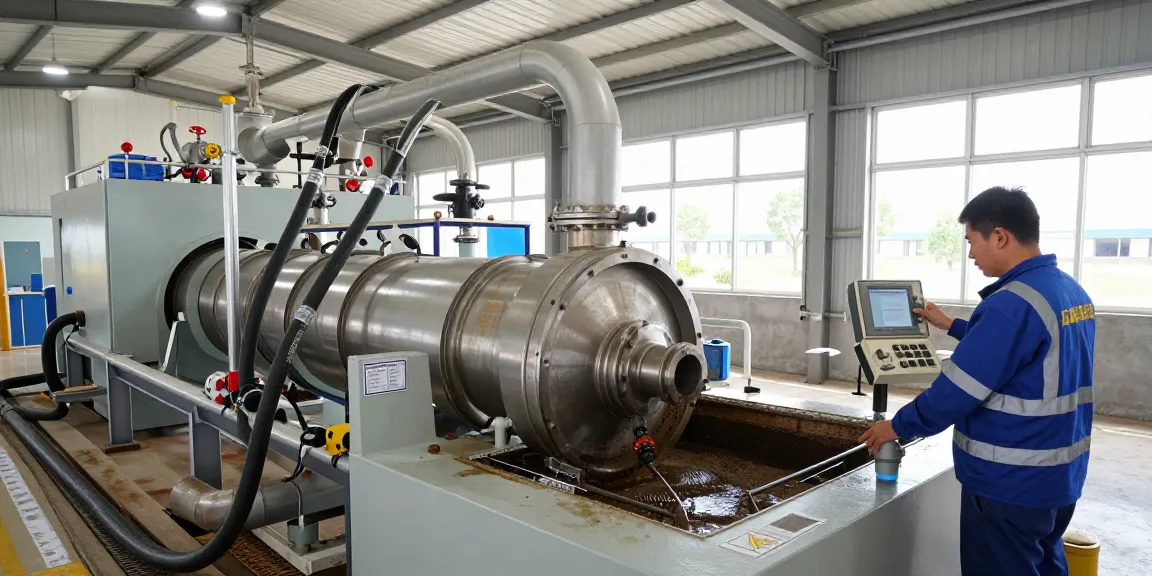
Centrifuges play a crucial role in sludge dewatering due to their ability to generate high centrifugal forces that effectively separate solids from liquids. This method is particularly advantageous for sludges with high solid concentrations. The design of centrifuges allows for continuous operation, leading to increased efficiency and reduced labor management. In industries like food processing and pharmaceuticals, where stringent hygiene and efficiency standards are essential, centrifuges provide a reliable solution for sludge management.
Emerging Technologies in Dewatering Techniques
The advancement of technology in sludge dewatering is continually evolving. Innovations such as electro-dewatering, which applies electric fields to enhance water separation, and advanced membrane filtration systems that provide precise separation capabilities are now gaining traction. These emerging methods promise to enhance efficiency, reduce energy consumption, and allow for the separation of high-value materials from sludge.
Applications Across Industries
Sludge Dewatering in Wastewater Treatment Plants
In municipal wastewater treatment plants, sludge dewatering is vital for managing the by-products of water treatment processes. Effective dewatering ensures that the sludge is condensed into a manageable cake form that can be handled more easily. This process not only reduces the volume of waste but also aids in producing biogas and other by-products that can be harnessed for energy, contributing to a more sustainable waste management system.
Impact on the Food and Beverage Sector
The food and beverage industry generates significant amounts of organic waste, making sludge dewatering a necessity to manage production by-products effectively. By implementing advanced dewatering solutions, companies can minimize waste volume and recover nutrients, integrating them back into production processes or converting them into bioenergy. This sustainable approach not only enhances operational efficiency but also improves the overall environmental footprint of the industry.
Pharmaceuticals and Their Need for Efficient Dewatering
In the pharmaceutical sector, the need for precise and efficient sludge dewatering is paramount. The high standards for product purity and compliance with regulatory requirements necessitate advanced dewatering technologies. Implementing effective dewatering processes helps pharmaceutical companies manage waste while ensuring that valuable compounds are not lost in the disposal process. By investing in superior sludge dewatering methods, these companies can achieve higher recovery rates and enhance sustainability practices.
Challenges in Sludge Dewatering
Common Operational Hurdles Faced
Despite the many benefits of sludge dewatering, industries face several common challenges. These include fluctuating sludge characteristics, which can affect the efficiency of dewatering operations, and the need for continuous monitoring and maintenance of dewatering equipment to ensure optimal performance. Additionally, the lack of knowledge regarding the most suitable dewatering technology can lead to improper implementation and inefficiencies.
Addressing Regulatory Compliance Issues
As environmental regulations become increasingly stringent, industries must prioritize compliance in their sludge management practices. Understanding local regulations concerning waste disposal and treatment is critical. Failure to comply can result in legal repercussions and fines, emphasizing the importance of effective sludge dewatering solutions that not only meet regulatory requirements but also promote responsible waste management.
Maximizing Efficiency While Minimizing Costs
Achieving a balance between operational efficiency and cost-effectiveness is a challenge faced by many organizations. By adopting innovative sludge dewatering technologies and ensuring routine maintenance, businesses can enhance their processes while lowering operational costs. Investing in staff training and optimizing workflows can further streamline operations, leading to better resource management and improved financial outcomes.
Future Trends and Innovations in Sludge Dewatering
Adoption of Smart Technologies in Dewatering
The future of sludge dewatering is poised for transformation with the adoption of smart technologies. IoT-enabled devices allow for real-time monitoring and data analysis, enabling operators to make informed decisions regarding sludge management. Automation will further enhance process efficiencies and minimize the need for manual intervention, paving the way for smarter, more efficient waste management systems.
Predicting the Future of Sludge Management
As industries advance towards sustainability, the future of sludge management will focus on circular economy principles. This entails not just managing sludge but creating value from it through resource recovery. Innovations in biogas production from sludge and nutrient recycling will become mainstream, encouraging industries to innovate continuously in sludge dewatering practices.
Expert Insights on Upcoming Regulatory Changes
As environmental concerns grow, regulatory frameworks surrounding sludge management will likely become more stringent. Industries must stay ahead of upcoming changes by investing in technologies that not only comply with current regulations but also anticipate future requirements. This proactive approach will ensure continued operational viability and promote sustainable practices.
How Can Businesses Prepare for the Future?
To prepare for the evolving landscape of sludge management, businesses should focus on technology integration, staff training, and process optimization. For more information, juice centrifuge offers valuable insights. By fostering a culture of continuous improvement and sustainability, organizations can navigate the future of sludge dewatering more effectively. Additionally, engaging with industry experts and stakeholders can provide valuable insights that guide strategic decision-making.