

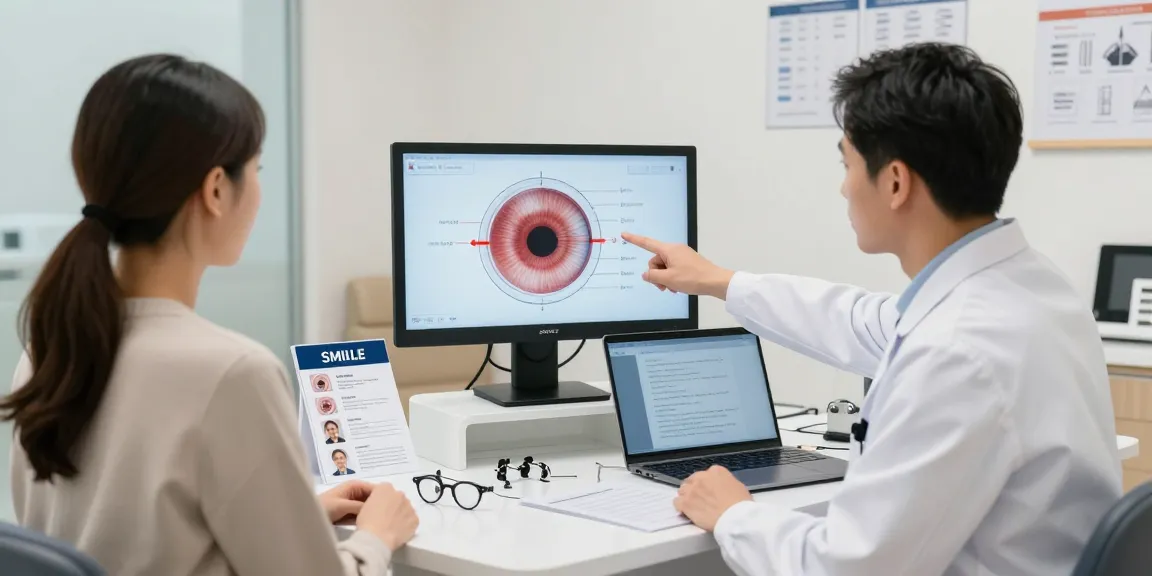
Understanding SMILE: Revolutionary Laser Eye Surgery
In the realm of vision correction, few innovations have proven as transformative as the SMILE procedure. This advanced laser eye surgery is designed to address common refractive vision issues such as myopia (nearsightedness) and astigmatism. Unlike traditional LASIK, SMILE employs a minimally invasive technique that utilizes a small incision to reshape the cornea, offering patients a quick recovery and reduced risk of complications. As we delve deeper into the specifics of SMILE, we will explore not only its mechanics but also the profound benefits it provides over conventional methods.
What is SMILE and How Does It Work?
SMILE, which stands for Small Incision Lenticule Extraction, is an innovative procedure that focuses on refining the shape of the cornea to enhance vision. During the surgery, a femtosecond laser is used to create a thin, disc-shaped piece of tissue (the lenticule) within the cornea. This lenticule is then extracted through a tiny incision of 2-4 mm, allowing for precise alteration of the corneal curvature without the need to create a flap as in LASIK surgery.
This unique approach minimizes disruption to the corneal surface, significantly reducing post-operative recovery time. Patients often notice significant improvements in their vision within just a few hours after the procedure, with many achieving their optimal vision in a matter of days.
Benefits of Choosing SMILE for Vision Correction
Choosing SMILE for vision correction comes with a host of benefits that enhance the overall experience for patients:
- Minimal Discomfort: The use of a small incision leads to less pain and discomfort compared to traditional LASIK.
- Faster Recovery: Most patients return to daily activities within a day or two, with many seeing improved vision almost immediately.
- Reduced Risk of Complications: The absence of a flap in the procedure lowers the likelihood of flap-related issues, which can occur in LASIK.
- Stable Results: Clinical studies indicate that SMILE provides consistently high satisfaction rates regarding vision outcomes.
Comparing SMILE with Traditional LASIK Surgery
While both SMILE and LASIK aim to correct refractive errors, they do so through different methodologies. LASIK involves creating a flap on the corneal surface, which is then lifted to access the underlying tissue for reshaping. This flap must heal properly to avoid complications, which can include flap dislocation or dryness. In contrast, the SMILE technique’s reliance on a smaller incision means a lower risk of injury to the corneal surface and less impact on corneal nerves, resulting in fewer instances of dry eye post-surgery.
Additionally, SMILE eliminates the need for a flap, which can be crucial for athletes or individuals with active lifestyles, as it reduces the risk of flap-related complications during physical activity.
Who is a Suitable Candidate for SMILE?
Identifying the right candidates for the SMILE procedure involves careful analysis of individual eye health, lifestyle, and vision requirements. Generally, candidates should be over the age of 18, possess a stable vision prescription for at least one year, and have no underlying eye conditions that could complicate the surgery, such as cataracts or severe dry eye syndrome.
Criteria for SMILE Eligibility
To ensure optimal results, potential candidates for SMILE should meet the following criteria:
- Near-sightedness (myopia) not exceeding -10.00 diopters.
- Astigmatism of up to -5.00 diopters.
- Healthy corneas with sufficient thickness.
- No significant risk factors for eye diseases.
Common Misconceptions About SMILE Surgery
Despite its advantages, several misconceptions about SMILE persist that can lead to hesitance in potential candidates:
- Too New and Unproven: SMILE has been performed globally for over a decade, with extensive clinical research supporting its safety and efficacy.
- More Painful than LASIK: Patients report less pain with SMILE due to its minimally invasive nature.
- Not Suitable for Everyone: As with any medical procedure, a comprehensive eye exam is necessary to assess individual suitability.
Patient Stories: Success with SMILE
Many patients have shared their positive experiences with SMILE, often highlighting the transformative impact on their daily lives. One patient, a 28-year-old graphic designer, reported, “Getting SMILE was the best decision I made. I no longer worry about glasses or contacts during my shoots, and my vision is better than it has ever been.” These testimonials reflect the procedure’s potential to restore not just clear sight, but also greater freedom and lifestyle flexibility.
Pre-Surgery Considerations for SMILE
Preparation for the SMILE procedure is critical and requires several important steps to ensure safety and effectiveness. A thorough pre-surgery consultation and evaluation by an eye care specialist set the stage for a successful experience.
Comprehensive Eye Exams: What to Expect
During the pre-operative consultation, patients undergo various eye examinations which may include:
- Refraction tests to determine vision clarity.
- Corneal topography to map the curvature of the cornea.
- Pachymetry to measure corneal thickness.
- Assessment of overall eye health.
These tests help the ophthalmologist understand the unique characteristics of each eye and lay the groundwork for personalized surgical planning.
Preparation Steps Before Your SMILE Procedure
To ensure the best outcomes, patients should adhere to specific preparation guidelines:
- Avoid contact lenses for at least two weeks before the evaluation.
- Inform your doctor of any medications you are taking.
- Arrange for someone to assist you on the day of the procedure, as you may be advised not to drive.
These steps help in preparing your eyes and body for the procedure, ultimately increasing the likelihood of a smooth experience.
Understanding the Risks and Rewards
As with any surgical procedure, it is essential to weigh the potential risks against the benefits. While SMILE boasts a lower risk profile than traditional LASIK, some risks include:
- Dry eye symptoms post-surgery, which may require treatment.
- Visual disturbances like glare or halos, particularly at night.
- Potential under-correction or over-correction of vision.
Discussing these risks with your ophthalmologist will provide clarity and help you make an informed decision.
The SMILE Procedure: Step-by-Step
The SMILE procedure itself is straightforward and efficient, typically lasting no longer than 30 minutes.
Detailed Overview of the SMILE Surgical Process
The surgical process consists of the following key steps:
- Anesthesia: Eye drops are applied to numb the eye.
- Laser Preparation: The femtosecond laser creates the lenticule inside the cornea.
- Incision Creation: A small incision is made for the extraction.
- Lenticule Removal: The surgeon gently removes the lenticule through the incision.
- Completion: The small incision naturally seals without the need for stitches.
Post-Operative Care for Optimal Recovery
After surgery, it is crucial to follow post-operative care instructions closely to ensure a smooth recovery:
- Use prescribed eye drops to combat dryness and promote healing.
- Avoid rubbing the eyes, particularly during the initial recovery period.
- Wear sunglasses outdoors to protect against glare and UV exposure.
Potential Side Effects and How to Manage Them
While SMILE has a favorable safety profile, some patients may experience side effects that can include:
- Dry Eyes: Temporary dry eye symptoms are common, and hydrating eye drops can help manage discomfort.
- Visual Fluctuations: Changes in vision intensity or clarity may occur during the healing period but typically stabilize within a few weeks.
Regular follow-ups with your eye care professional can address any concerns and promote a positive recovery experience.
The Future of Vision Correction: SMILE Innovations
As technology evolves, so does the potential for enhancements in laser vision correction. The future of SMILE looks promising with numerous innovations on the horizon.
Upcoming Trends in Laser Eye Surgery for 2026
Emerging technologies aim to refine and improve the SMILE procedure, including:
- Enhanced laser precision for tailored corrections.
- Integration of artificial intelligence in surgical planning and execution.
- Advancements in corneal imaging techniques for improved diagnostics.
Technological Advancements in SMILE Techniques
Innovations such as the SMILE PRO upgrade provide faster laser frequency, catering to patients who may have anxiety about maintaining eye focus during surgery. These advancements enhance the overall patient experience and outcomes.
Expert Insights on the Evolving Landscape of Eye Care
Ophthalmology experts emphasize the importance of ongoing research and development to improve patient safety and surgical efficiency. As techniques evolve, the goal remains to deliver optimal vision correction with minimal side effects.
What Are the Cost Factors for SMILE Surgery?
The cost of SMILE surgery can vary based on individual needs, the complexity of the procedure, and the provider’s expertise. Factors influencing the cost include:
- Geographic location of the clinic.
- Experience and certification of the surgeon.
- Included post-operative care and follow-up appointments.
Consulting with a qualified eye care professional will provide you with an accurate estimate tailored to your unique situation.